Community outreach is defined as the deliberate effort by physicians to engage patients and community members outside the clinical setting, and it is one of the most direct ways independent practices build lasting local trust. The most effective community outreach ideas for doctors combine accessibility, collaboration, and consistent follow-up. Community health events build visibility and trusted patient relationships in ways digital marketing cannot replicate. Physicians who treat outreach as an ongoing patient acquisition strategy, not a one-time PR event, see the strongest long-term results. This article covers the top physician-led outreach models, from walking programs and health screenings to digital engagement and local partnerships, with practical steps you can use right now.
1. How can doctors implement walking-based group outreach programs?
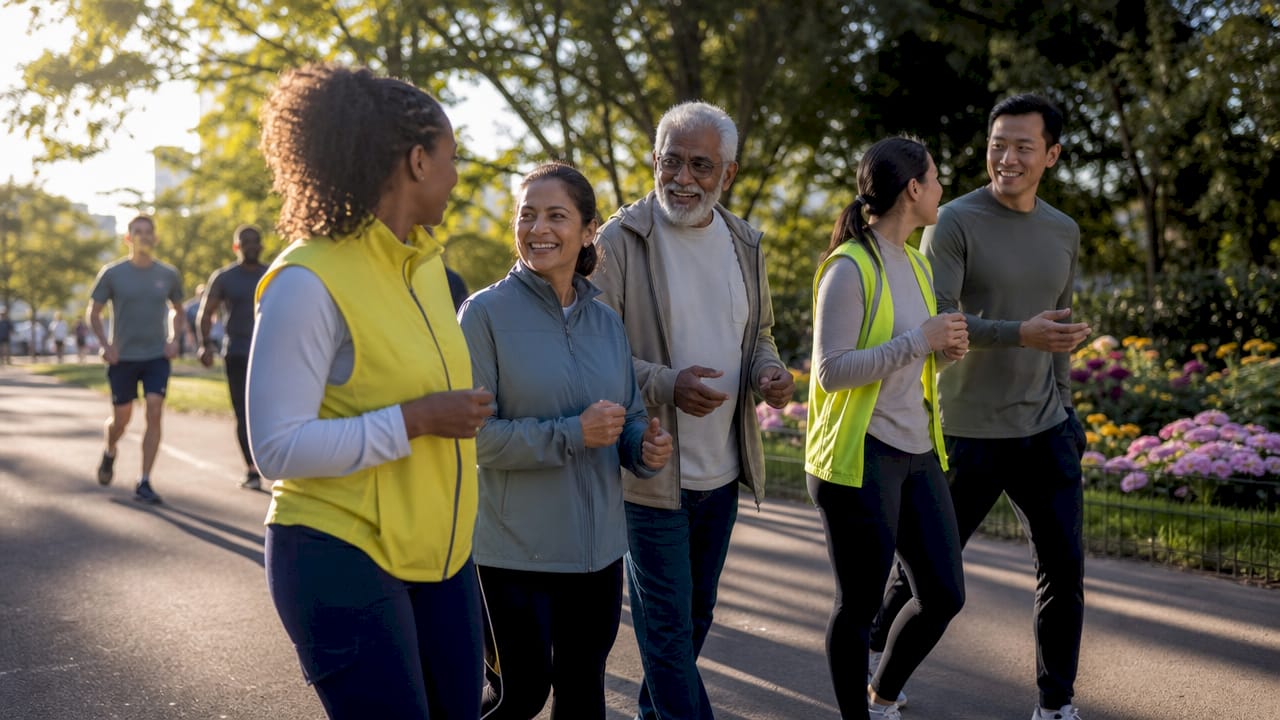
Walking programs are among the most accessible community health events a physician can organize. The Walk with a Doc model is the most recognized example in American healthcare. Walk with a Doc events typically last about one hour, require no registration, and welcome people of all fitness levels. That low barrier to entry is the whole point. When attendance requires nothing more than showing up, you reach people who would never book a clinic appointment on their own.
The format is simple. A physician leads a group walk, usually monthly, while fielding informal health questions from participants. The conversation is relaxed, which builds the kind of trust that a 15-minute office visit rarely achieves. Physicians who run these events consistently report that participants become patients, and that existing patients bring family members.
Pro Tip: Set a recurring calendar event and promote it three weeks in advance on your practice’s social media. Consistency turns a one-time walk into a community fixture.
2. What educational workshops can doctors host for community health needs?
Health education workshops are a direct form of doctor patient engagement that positions you as the local authority on a specific condition or health topic. The key is choosing topics based on actual local health data. If your patient panel skews toward adults over 50, a workshop on hypertension management or diabetes prevention is far more relevant than a general wellness seminar.
Workshops work best when they are interactive. A lecture format loses people quickly. Build in a Q&A segment, distribute take-home materials, and offer a brief one-on-one consultation sign-up at the end. That last step is where workshops convert from community goodwill into scheduled appointments.
Hybrid formats, combining in-person attendance with a live-streamed option, extend your reach without significant added cost. Capture every attendee’s name and contact information at registration. Person-centered communication that makes patients feel welcomed and respected is foundational to converting workshop attendees into long-term patients.
Pro Tip: Send a follow-up email within 48 hours of every workshop. Include a summary of key points and a direct link to schedule a new patient appointment. That single step dramatically increases conversion.
3. How can doctors use free health screenings for effective outreach?
Free health screenings are the most direct form of medical outreach programs because they deliver immediate, tangible value to community members. A person who learns their blood pressure is elevated at your screening table is far more likely to book a follow-up appointment with you than with a physician they have never met.
Common screenings that work well in community settings include blood pressure checks, blood glucose testing, BMI assessments, vision screenings, and cholesterol panels. You do not need to offer all of these at once. A focused event around one or two screenings is easier to execute and easier to market.
Collaborative outreach with local partners like schools, food pantries, and public health departments increases outreach effectiveness by reaching residents who fall through care gaps. That is the real value of a screening event. You are not just checking numbers. You are identifying people who need care and giving them a reason to trust you with it.
4. Which digital tools enhance doctor-patient engagement in outreach?
Digital communication is not a replacement for in-person outreach. It is the follow-up layer that keeps the relationship alive between events. Two-way text messaging significantly improves patient engagement, tripling response rates compared to traditional paper surveys. That gap matters when you are trying to convert event attendees into scheduled patients.
The most effective digital outreach combines automated text reminders, post-event surveys, and telehealth follow-up options. After a health fair or workshop, an automated text sent within 24 hours asking a simple question, such as whether the attendee would like to schedule a visit, captures interest while it is still warm.
Telemedicine communication strategies at the interpersonal, team, and system levels foster tailored and supportive patient-provider interactions. That research confirms what experienced physicians already know: the medium matters less than the consistency and quality of the communication.
Pro Tip: Automate your post-event follow-up sequence before the event happens. Set up the text message and email triggers in advance so no lead goes cold because you were too busy after the event to follow up manually.
5. What are the best strategies for doctors to partner with local organizations?
Local partnerships multiply your outreach reach without multiplying your workload. A physician working alone can reach dozens of people at an event. A physician partnering with a school district, a nonprofit, or a faith community can reach hundreds. The math is straightforward.
The first step is identifying community gatekeepers. These are the people who already have the trust of the populations you want to reach: school principals, church pastors, neighborhood association presidents, and nonprofit directors. Securing direct meetings with community gatekeepers grants physicians vetted access to local networks. A brief 5-10 minute conversation with the right person can open outreach opportunities that would take months to build independently.
Effective partnership types for physician outreach include:
Partner TypeOutreach OpportunityPublic schoolsStudent and parent health education eventsFaith communitiesHealth screenings and wellness workshopsFood pantriesNutrition counseling and chronic disease screeningPublic health departmentsCo-branded vaccination and prevention campaignsLocal nonprofitsShared referral pathways for underserved populations
Outreach achieves greater impact when it is collaborative, with local partners co-designing programs to address specific community needs. That means going into partnership conversations with a listening posture, not a pitch. Ask what health challenges the organization’s members face. Then design something together.
Peer collaboration with other local specialists also builds reciprocal referral networks. Emphasizing shared clinical goals rather than business requests strengthens those professional relationships over time. Connect with a local cardiologist, endocrinologist, or physical therapist and co-host an event. You both bring your networks, and both practices grow.
Explore more on community engagement and referrals to see how networking and outreach combine into a practice growth strategy.
Key takeaways
The most effective physician outreach combines low-barrier events, digital follow-up, and local partnerships to convert community trust into long-term patient relationships.
PointDetailsStart with accessible eventsWalking programs and free screenings require no registration and reach people who avoid clinics.Follow up within 24–48 hoursAutomated texts and emails after events triple response rates and improve patient acquisition.Partner with local gatekeepersA 5–10 minute meeting with a community leader opens access to entire local networks.Use digital tools as the follow-up layerTwo-way texting and telehealth keep the relationship active between in-person events.Treat every event as a lead-generation opportunityCollect contact information at every outreach event and build a follow-up workflow before the event happens.
What I’ve learned about outreach that most articles won’t tell you
The biggest mistake I see independent physicians make with community outreach is treating it like a favor they are doing for the neighborhood. It is not. It is a business development activity, and it deserves the same planning and follow-up discipline you would give any other growth initiative.
The second mistake is skipping the follow-up. Sending thank-you notes or appointment invitations within 24–48 hours of an event yields measurably higher patient acquisition. Most physicians do not do this because they are exhausted after running the event. The fix is simple: automate it before the event, not after.
Start small. One walking group, one workshop, one screening event per quarter. Do those consistently for six months and you will have more community relationships than most practices build in three years. Scale from there. The physicians who win at outreach are not the ones with the biggest budgets. They are the ones who show up consistently and follow through every single time.
How Digitalashagency helps established practices grow their outreach
Independent practices that want to turn community outreach into a repeatable patient acquisition system need more than good intentions. They need a clear marketing strategy behind the effort.
Digitalashagency works with established independent medical practices across the United States to build marketing audits and outreach strategies that connect clinical expertise to community visibility. From identifying the right local events to building the digital follow-up workflows that convert attendees into patients, Digitalashagency provides the structure that makes outreach sustainable. If your practice is ready to grow beyond referrals and word of mouth, a marketing audit is the right first step. Learn more about affordable local reach strategies built specifically for independent physicians.
FAQ
What are the easiest community outreach ideas for doctors to start?
Free health screenings and monthly walking groups are the lowest-barrier options. Both require minimal setup, no registration process, and deliver immediate value to community members.
How often should doctors run community health events?
Monthly events build the strongest community recognition. Quarterly events are a realistic starting point for practices with limited staff capacity.
Do community health events actually bring in new patients?
Yes. Community health events provide face-to-face opportunities to demonstrate your care philosophy and capture patient leads that digital marketing cannot replicate.
What is the most effective digital tool for physician outreach follow-up?
Two-way text messaging is the most effective follow-up tool. It triples response rates compared to traditional paper surveys and reaches patients where they already spend time.
How do local partnerships improve physician outreach?
Partnerships with schools, faith communities, and nonprofits extend your reach to populations who would not otherwise encounter your practice. Shared referral pathways help identify residents falling through care gaps.